

Agricultural Biotechnology And The Environment
$135.00
ISBN 13: 979-8-89143-214-7
YEAR: 2024
Additional information
| Access Type | Download eBook, Read Only |
|---|
You must be logged in to post a review.
Purchase now to read the book online.
Select optionsRelated products

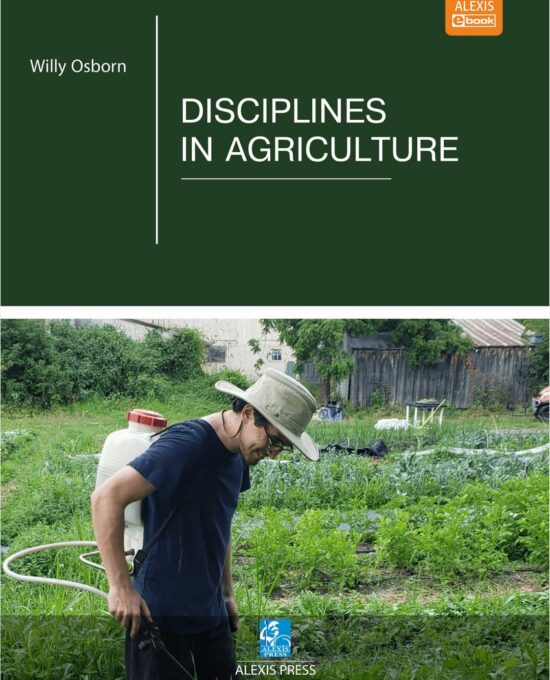
Disciplines In Agriculture
$135.00
Agricultural science is a broad multidisciplinary field of biology that encompasses the parts of exact, natural, economic, and social sciences that are used in the practice and understanding of agriculture. Professionals of agricultural science are called agricultural scientists or agriculturists.
Disciplines In Agriculture
$135.00
Agricultural science is a broad multidisciplinary field of biology that encompasses the parts of exact, natural, economic, and social sciences that are used in the practice and understanding of agriculture. Professionals of agricultural science are called agricultural scientists or agriculturists.
Introduction To Agroecology: Principles And Practices
$135.00
Agroecology is defined by the OECD as "the study of the relation of agricultural crops and environment." Dalgaard et al. refer to agroecology as the study of the interactions between plants, animals, humans, and the environment within agricultural systems. Francis et al. also use the definition in the same way but thought it should be restricted to growing food.
Introduction To Agroecology: Principles And Practices
$135.00
Agroecology is defined by the OECD as "the study of the relation of agricultural crops and environment." Dalgaard et al. refer to agroecology as the study of the interactions between plants, animals, humans, and the environment within agricultural systems. Francis et al. also use the definition in the same way but thought it should be restricted to growing food.
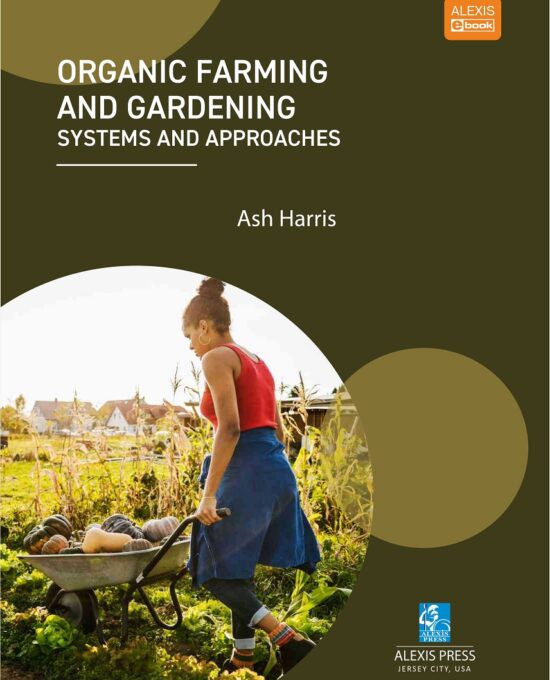
Organic Farming and Gardening: Systems and Approaches
$135.00
Organic farming – an alternative agricultural system that relies on fertilizers of organic origin such as compost, manure, green manure, and bone meal and places emphasis on techniques such as crop rotation and companion planting. Biological pest control, mixed cropping, and the fostering of insect predators are encouraged. In general, organic standards are designed to allow the use of naturally occurring substances while prohibiting or strictly limiting synthetic substances.
Organic Farming and Gardening: Systems and Approaches
$135.00
Organic farming – an alternative agricultural system that relies on fertilizers of organic origin such as compost, manure, green manure, and bone meal and places emphasis on techniques such as crop rotation and companion planting. Biological pest control, mixed cropping, and the fostering of insect predators are encouraged. In general, organic standards are designed to allow the use of naturally occurring substances while prohibiting or strictly limiting synthetic substances.
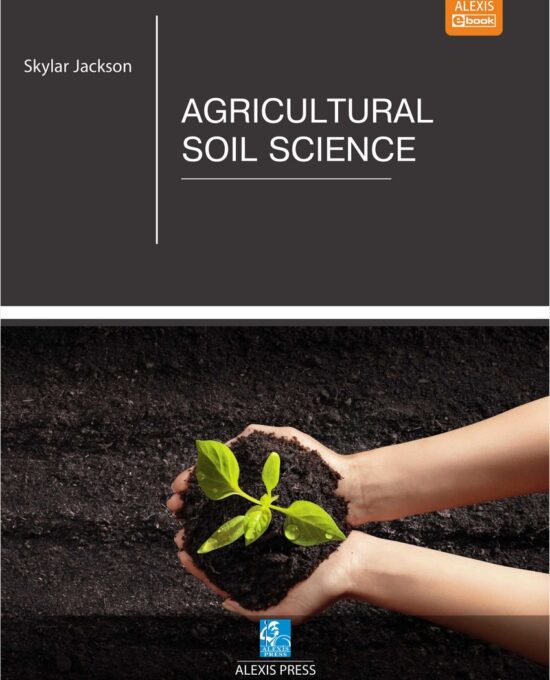
Agricultural Soil Science
$135.00
Prior to the development of pedology in the 19th century, agricultural soil science was the only branch of soil science. The bias of early soil science toward viewing soils only in terms of their agricultural potential continues to define the soil science profession in both academic and popular settings as of 2006.
Agricultural Soil Science
$135.00
Prior to the development of pedology in the 19th century, agricultural soil science was the only branch of soil science. The bias of early soil science toward viewing soils only in terms of their agricultural potential continues to define the soil science profession in both academic and popular settings as of 2006.
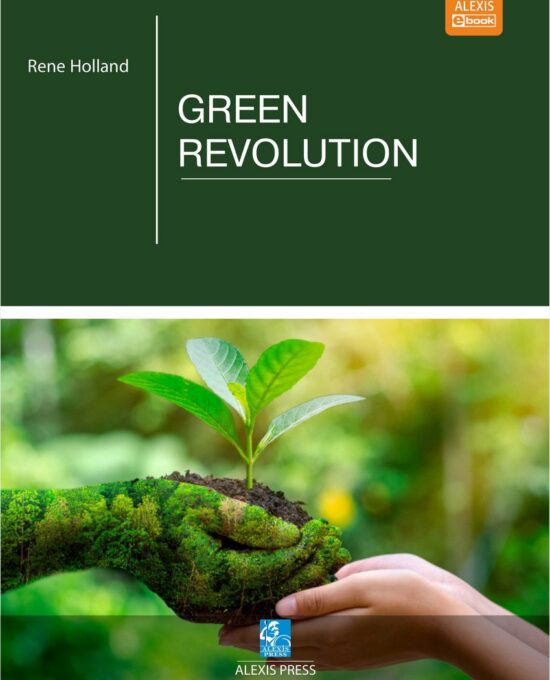
Green Revolution
$135.00
Green Revolution, the great increase in the production of food grains that resulted in large part from the introduction into developing countries of new, high-yielding varieties, beginning in the mid-20th century. Its early dramatic successes were in Mexico and the Indian subcontinent. The new varieties require large amounts of chemical fertilizers and pesticides to produce their high yields, raising concerns about cost and potentially harmful environmental effects. Poor farmers, unable to afford the fertilizers and pesticides, have often reaped even lower yields with these grains than with the older strains, which were better adapted to local conditions and had some resistance to pests and diseases.
Green Revolution
$135.00
Green Revolution, the great increase in the production of food grains that resulted in large part from the introduction into developing countries of new, high-yielding varieties, beginning in the mid-20th century. Its early dramatic successes were in Mexico and the Indian subcontinent. The new varieties require large amounts of chemical fertilizers and pesticides to produce their high yields, raising concerns about cost and potentially harmful environmental effects. Poor farmers, unable to afford the fertilizers and pesticides, have often reaped even lower yields with these grains than with the older strains, which were better adapted to local conditions and had some resistance to pests and diseases.
Reviews
There are no reviews yet.